Water Main Repair & Repiping in Peoria, AZ
Main water line repair and replacement, copper and PEX repipes. We coordinate water shut-off with the city.
What Water Main & Repiping includes.
Main line repair
Repair of leaking or broken main water lines from the meter to the home.
Main replacement
Full main water line replacement when the line has failed.
Copper repipe
Whole-home copper repiping for homes with failing or pinhole-leaking lines.
PEX repipe
Flexible PEX repiping as a durable, cost-effective alternative.
When do you need Water Main & Repiping?
A soggy yard, a sudden loss of water, or pinhole leak after pinhole leak usually means your main line or whole-home piping is failing. We handle the repair, the repipe, and the city shut-off coordination — one plumber, start to finish.
No water to home
A broken main can cut water to the entire house.
Wet yard
A soggy patch between the meter and the house often means a main leak.
Repeated pinholes
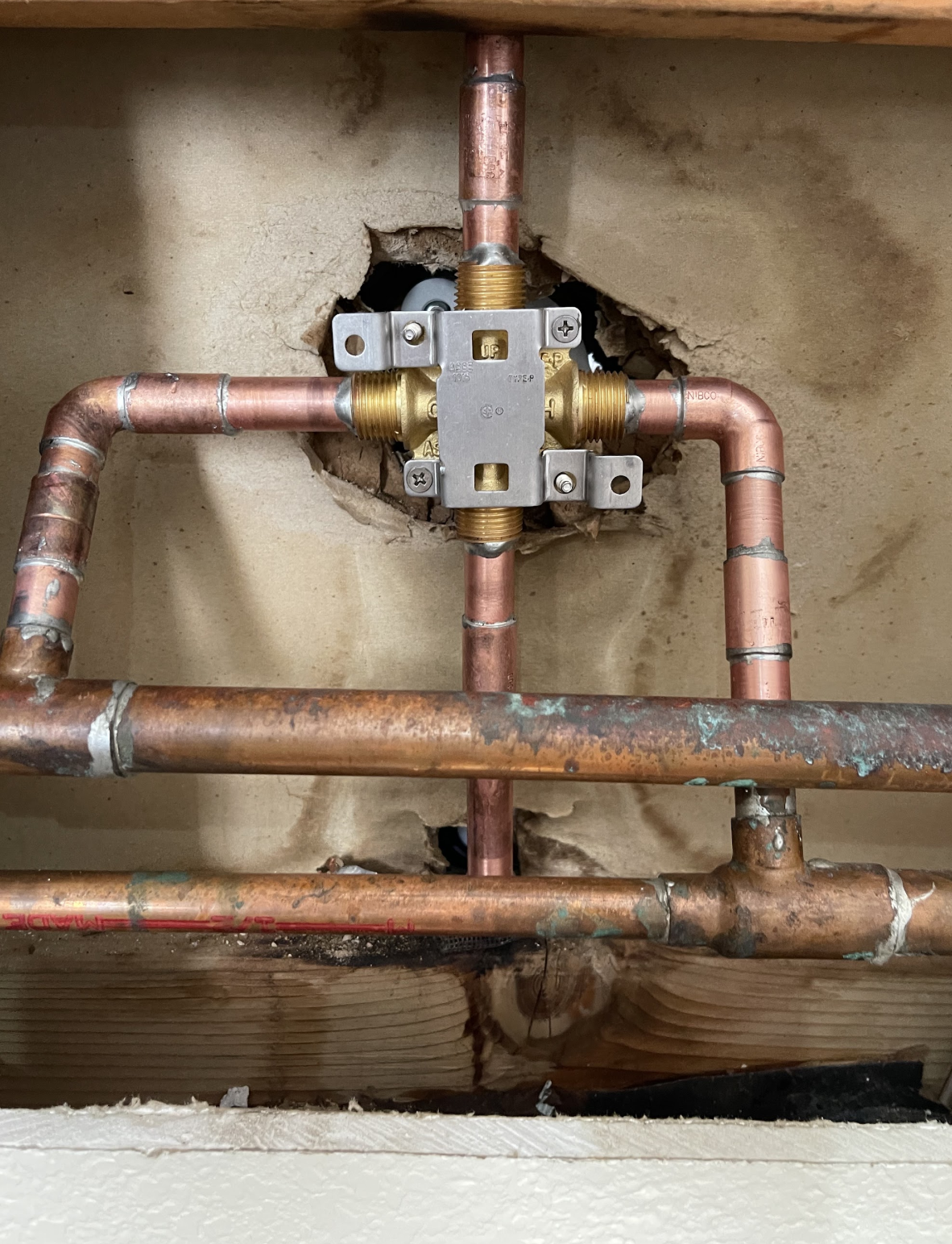
Multiple pinhole leaks in copper point to a line failing throughout.
Low whole-house pressure
A restricted or corroded main can drop pressure everywhere.
Old galvanized lines
Aging galvanized pipe rusting inside and restricting flow.
Discolored water
Rusty or brown water from deteriorating lines.
Why book Water Main & Repiping?
What Makes Aurora Plumbing Different
Careful Problem Diagnosis
Dave evaluates the plumbing issue and explains potential repair or replacement options before the agreed work begins.
Straightforward Communication
Understand the recommended work, available options, and next steps without unnecessary sales pressure.
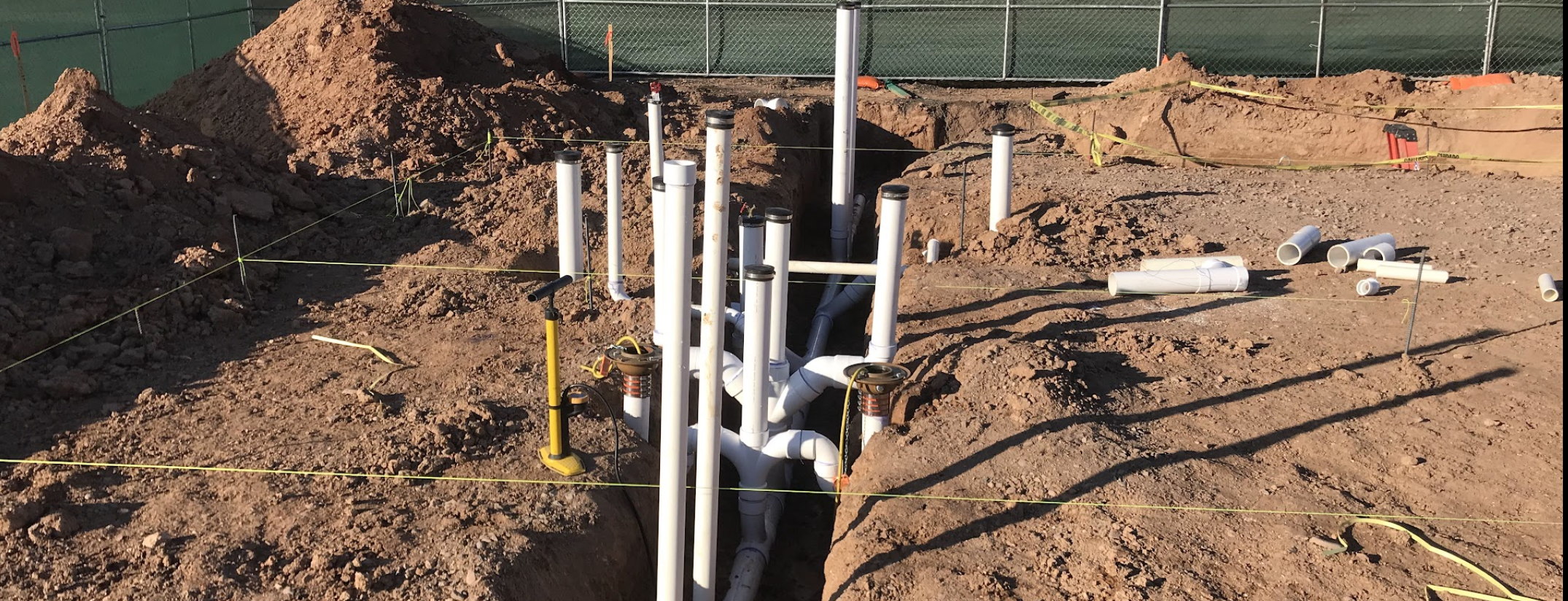
Solutions for Your Home
Repair and replacement recommendations consider the condition of your existing plumbing and the needs of your property.
Water Main & Water Line Repair in Peoria, AZ
Your water main is the line that runs from the city meter to your house. When it fails, you usually know — a soggy patch of yard, a sudden drop in pressure, or water showing up where it shouldn't. Aurora Plumbing & Mechanical diagnoses and repairs water service line problems for homes across the West Valley.
Most of these symptoms can have more than one cause, so the first step is figuring out what's actually going on before any digging starts. Dave evaluates the line, explains what he finds, and tells you straight whether a repair will hold or the line needs replacing — then handles the work and the coordination with the city for the water shut-off.
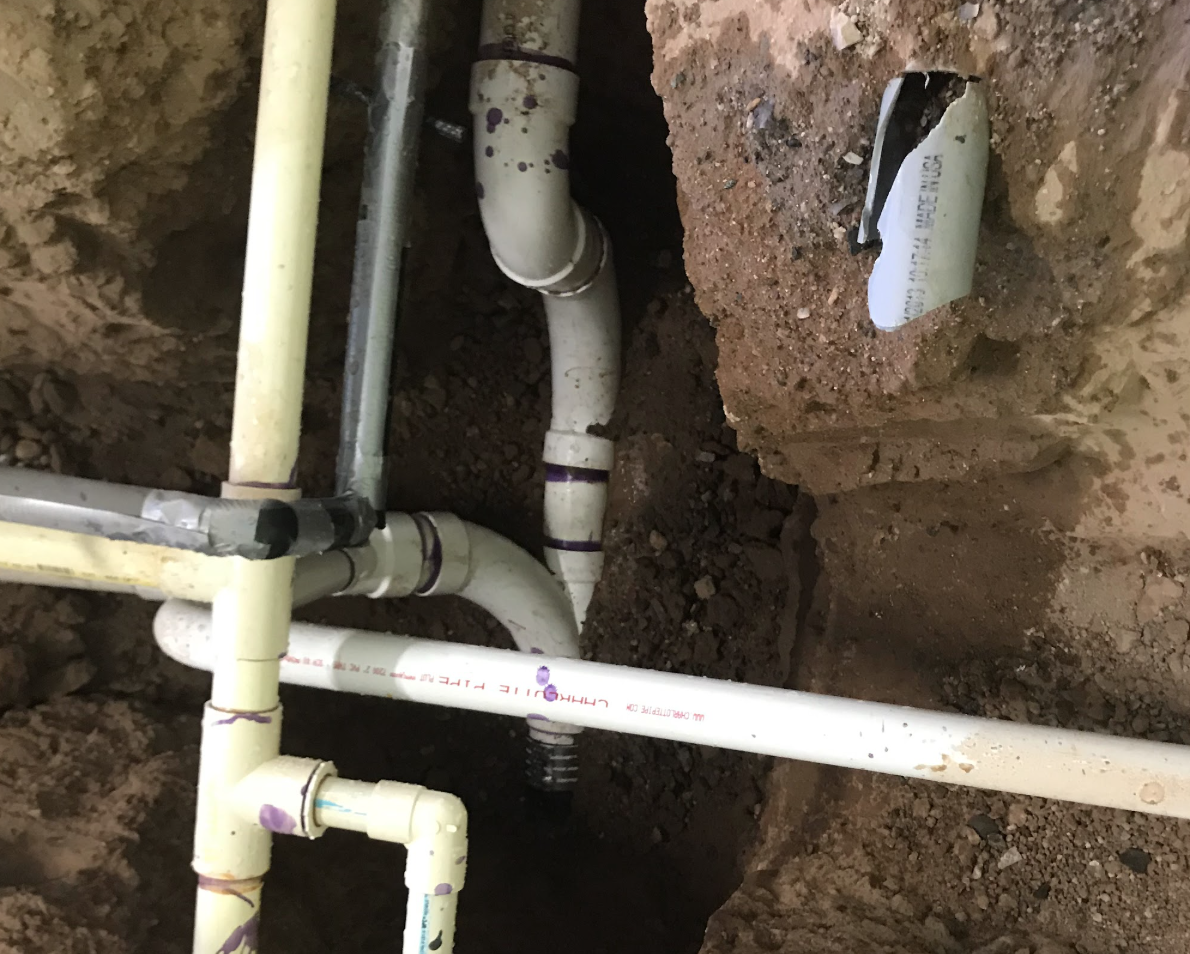
Signs of a leaking or damaged water service line
A failing water line rarely stays hidden for long. Common warning signs include an unexplained wet patch in the front yard, water bubbling up near the meter, a sudden loss of pressure to the whole house, or a water bill that climbs even though your usage hasn't changed. If more than one of these shows up at once, it's worth a call.
Unexplained increases in water bills
A water bill that jumps without explanation is often the first sign of an underground leak. Because the main line runs between the meter and the home, a slow leak there can waste water for weeks before it's visible at the surface. Tracking your bill is one of the simplest ways to catch a problem early.
Low water pressure and possible causes
Low pressure throughout the house can point to a restricted or corroded main line, but it can also come from a failing pressure regulator, buildup inside the plumbing, or an issue on the city's side of the meter. Diagnosis helps separate a main line problem from a fixture or regulator issue before work begins.
Wet spots and damp areas around the property
A consistently damp strip of yard between the meter and the house — especially one that stays wet when the rest of the lawn is dry — often means the main line is leaking underground. The size and location of the wet area can help narrow down where the break is.
Common causes of water line deterioration
How a line fails depends on what it's made of. Galvanized steel service lines corrode from the inside out and slowly restrict flow, while older polybutylene piping can become brittle and crack over time. Shifting desert soil and tree roots can add stress to either one. Knowing the pipe material and age helps predict whether a spot repair will last or the whole line is near the end of its service life.
Professional diagnosis and when to repair or replace
A wet yard and low pressure can each have several causes, so diagnosis always comes first. Dave locates the source of the problem and explains whether a localized repair makes sense or the line has deteriorated enough that replacement is the better long-term call. You get a clear recommendation before any work starts.
When replacement may make more sense than repair
A single break in a relatively new line is often a repair situation. But when a line is old, made of a material prone to failure, or has already leaked more than once, replacement usually costs less over time than repeated spot repairs. Dave helps you weigh the age and condition of the line against the cost of ongoing fixes.
Factors that affect a replacement decision
The age and material of the existing pipe, how many leaks have already occurred, the length of the run, and how the line is routed all factor in. A line that's nearing the end of its expected life and sits under a finished landscape is a different decision than a newer line with an isolated break.
Pipe materials and compatibility
Copper and PEX are the common durable choices for a replacement line today, each with trade-offs in cost, longevity, and installation. We explain how each works with your home's existing plumbing and help you choose based on your situation rather than a one-size-fits-all recommendation.
Access and installation planning
How the line reaches the home affects how the work is planned. We look at the route from the meter, what's above it — landscaping, driveway, hardscape — and coordinate the city water shut-off so the replacement is done efficiently and your downtime is as short as possible.
Why pressure and existing plumbing matter
A replacement line should match the home's demand and work with the plumbing already in place. We consider the home's water pressure, the size of the existing interior plumbing, and whether a regulator is involved so the new line performs the way it should from day one.
What to expect during the assessment
Dave reviews the symptoms, checks the line and connections, and explains what he's finding as he goes. You'll get a clear explanation of the problem, the recommended fix, and what the work involves — including the city shut-off coordination — before any agreement to proceed.
Water Line Replacement in Peoria, AZ
When a water line has failed past the point of a simple repair, replacement is usually the more practical path. Aurora replaces main water lines and handles the planning, the coordination, and the installation so the job actually gets done — including scheduling the water shut-off with the city.
Every replacement is done by a licensed, bonded, and insured plumber (AZ ROC #311936). You deal with Dave the whole way through — the same person who diagnoses the line, plans the replacement, and does the work.
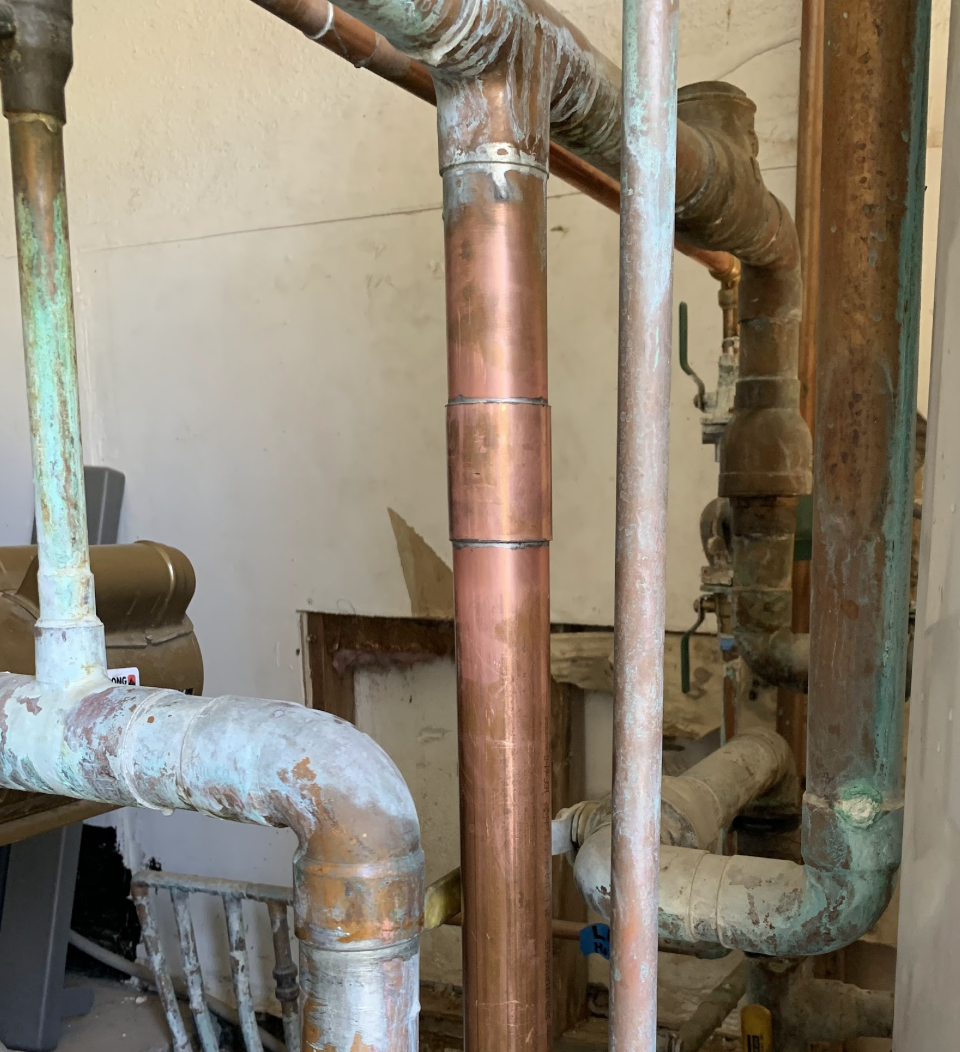
Whole-Home Repiping in Peoria, AZ
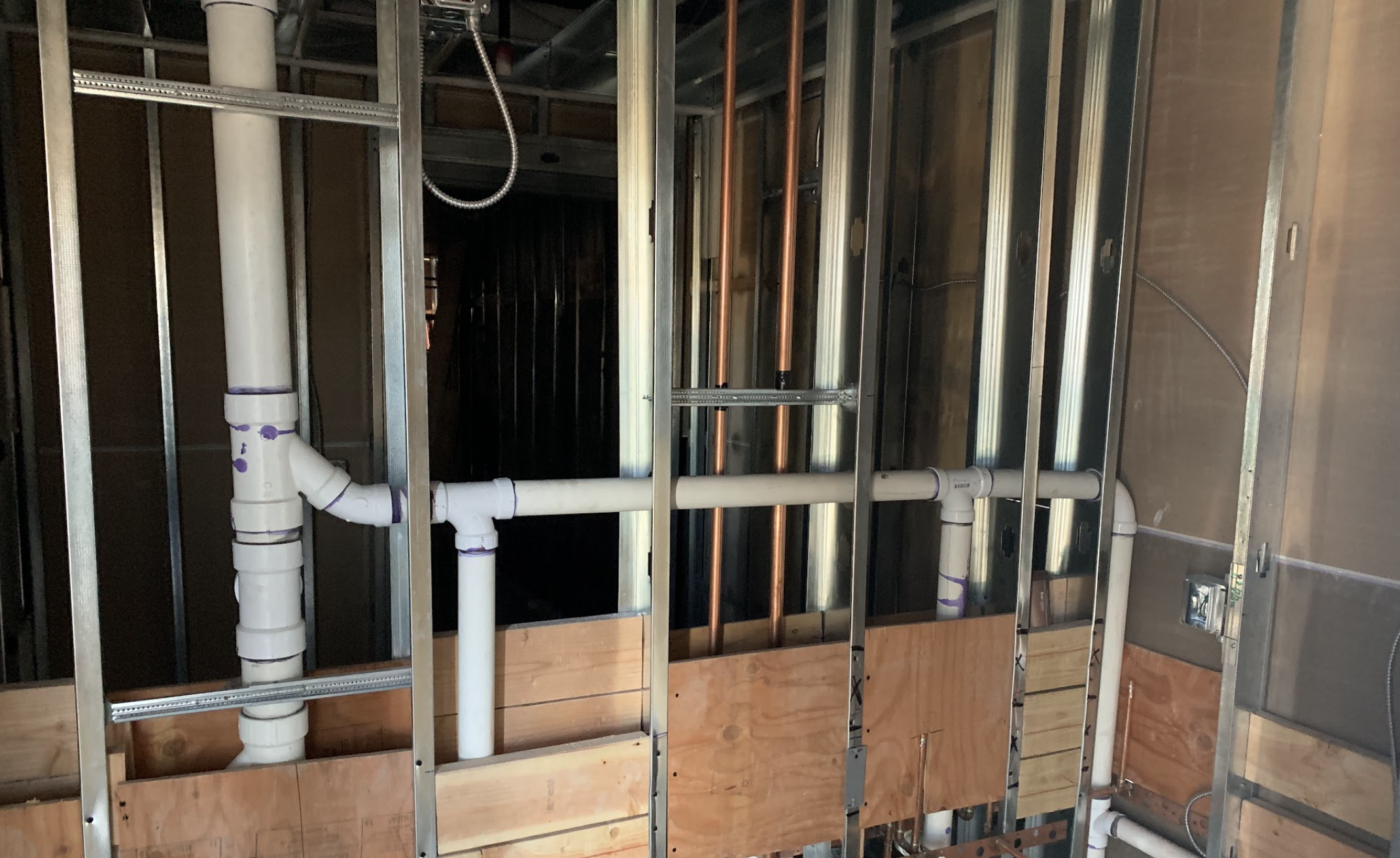
Repiping means replacing the water supply piping that runs through the home itself — behind the walls, under the floors, and into every fixture. When that piping is aging or deteriorating, a whole-home repipe replaces it in one planned project instead of chasing leaks one at a time.
Aurora Plumbing & Mechanical performs whole-home copper and PEX repipes, planning the routing to limit wall and floor openings and keeping water restored at the end of each workday. Dave explains the scope, the timeline, and the material options up front so you know what the project involves before it starts.
When aging pipes may need replacement
Some homes reach a point where the plumbing is failing systemically rather than in one spot. Discolored water, reduced flow at several fixtures, or visible deterioration at exposed pipes can all signal that the supply lines are reaching the end of their service life. What that looks like depends on the material — galvanized steel corrodes and restricts, while older polybutylene gets brittle.
Repeated leaks and recurring repairs
One leak is a repair. A pattern of leaks in different parts of the home usually means the whole system is wearing out. If you're calling for pinhole leaks every few months, a repipe can stop the cycle — and the water damage that comes with the next failure.
Corrosion and pipe deterioration
Hard Valley water and age take a toll on metal piping. Rusty or brown-tinted water, a metallic taste, or scale narrowing the inside of the pipe are signs the interior is breaking down. Not every material fails the same way — galvanized rusts and restricts, while polybutylene gets brittle — but either way the problem only gets worse over time.
Water pressure issues
Low or inconsistent pressure across the home can come from buildup narrowing the inside of old pipes. Not every pressure problem requires a repipe — a failing regulator or a clogged fixture can be the real cause — but when aging piping is restricting flow everywhere, repiping is what restores it.
Evaluating existing plumbing materials
The material already in your walls tells us a lot. Galvanized steel corrodes from the inside out and slowly chokes flow, while older polybutylene is prone to brittleness and cracking. We look at what's there, how it's aging, and whether a targeted section replacement or a full repipe is the right call for your home.
Planning repiping around the home's layout
A repipe is planned around how the home is laid out so the new runs are routed cleanly with as few wall and floor openings as possible. We sequence the work so water is restored at the end of each day and the connections are done to code and ready to pass inspection. Copper and PEX are both options, each with its own trade-offs that we'll walk you through.
Water Line Repair vs. Replacement: What's Right for Your Home?
There's no universal answer — the right choice depends on the condition of the line and how it's been holding up. Here are the factors that usually decide it.
Location and severity of the problem
A single, isolated break in an accessible spot is often a clean repair. A failure in a long-buried line under finished hardscape, or a break that's flooding the yard, may point toward replacing the run to avoid cutting into the same area again.
Condition and age of existing pipes
A newer line in good condition is worth repairing. A line made of a failure-prone material, or one that's past its expected lifespan, is usually better replaced — the next leak is a question of when, not if.
Frequency of previous leaks
If this is the first problem, a repair is often the sensible choice. If you've repaired the same line or system more than once, each fix becomes more expensive than moving toward a replacement that solves it for good.
Accessibility of damaged piping
Piping that's easy to reach is simpler to repair. Piping buried under a driveway, a mature landscape, or finished interior walls can make the cost and disruption of repeated repairs add up quickly — favoring a one-time replacement.
Long-term repair considerations
A repair buys time; a replacement addresses the cause. Dave's goal is a straight recommendation for your home and budget — not the most expensive option. We won't push a full replacement when a repair will hold, and we'll tell you plainly when a repair is only putting off the inevitable.
Water Main & Repiping Services in Peoria & Greater Phoenix
Aurora Plumbing & Mechanical is based in Peoria and handles water main repair, water line replacement, and whole-home repiping across the West Valley and Phoenix metro — including Peoria, Glendale, Phoenix, Sun City, Surprise, and Cave Creek, Arizona. Hard Valley water and shifting desert soils wear on older water lines and household piping, which is why so many of these jobs come from neighborhoods with aging service lines. Wherever your home is, you work directly with Dave — the licensed plumber who runs the job from diagnosis to the final connection. A water main or repipe project often ties into everyday plumbing repairs, water conditioning, and water heater repair and replacement — and Dave can help coordinate whatever your home needs. Ready to get started? Request a fast quote or call (480) 286-2252.
Our Simple 3-Step Process
Tell Us What's Happening
Describe your water pressure issues, recurring leaks, or concerns about aging pipes.
Review Your Options
Dave evaluates the situation and explains the recommended next steps.
Schedule the Work
Arrange the agreed repair or repiping work based on the project scope and availability.
More Services
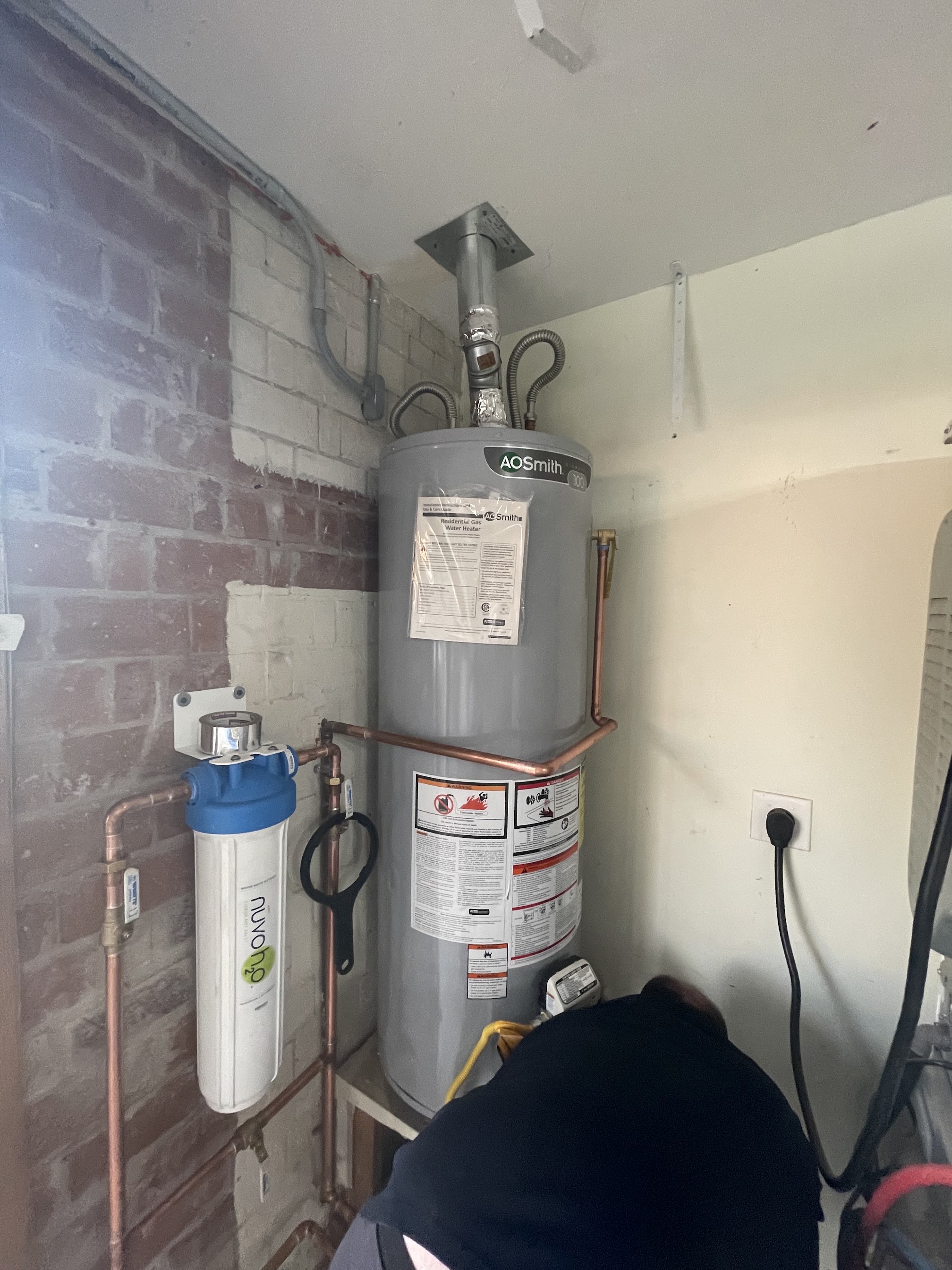
Water Heater Repair & Replacement
Gas and electric tank water heaters — repair, flush, and same-size or short-model replacement. You deal with Dave, the licensed plumber who does the work.
Learn More →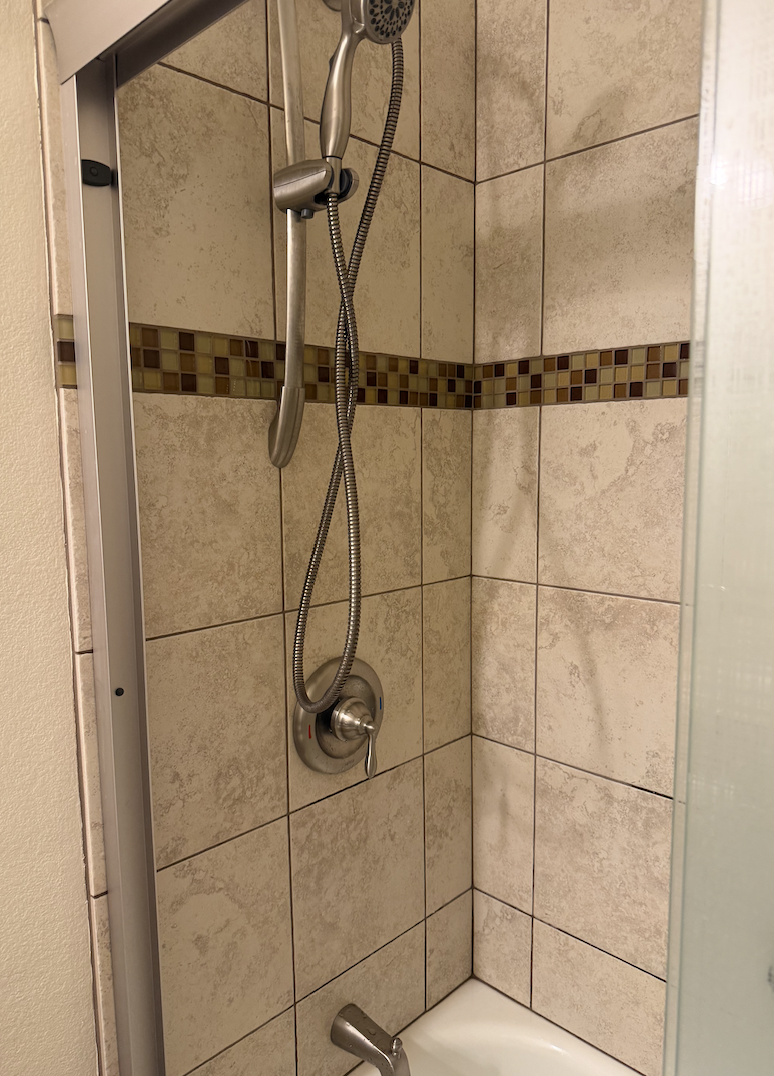
Plumbing Repairs
Toilets, faucets, sinks, garbage disposals, tubs and showers, shower valves. Fast, honest repairs from the licensed plumber who does the work.
Learn More →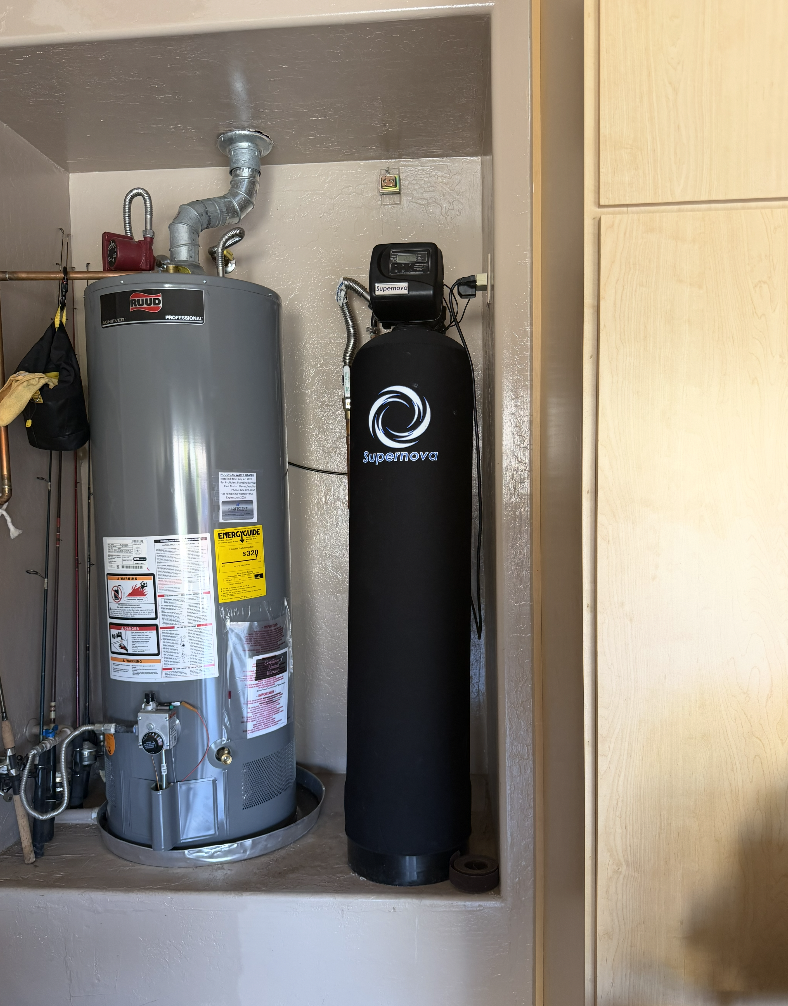
Water Conditioning
Water conditioning system installs to reduce hard Valley water that wears out fixtures, heaters and pipes.
Learn More →Frequently Asked Questions
Need Water Main Repair or Repiping in Peoria, AZ?
Dealing with recurring leaks, low water pressure, or aging pipes? Contact Aurora Plumbing & Mechanical to discuss water line repair, replacement, and repiping options in Peoria, Phoenix, Glendale, and surrounding communities.